

Showing 11-20 of 266 articles.
How Do You Prepare Your Lawn for Core Aeration?
Published on Monday, June 15, 2026
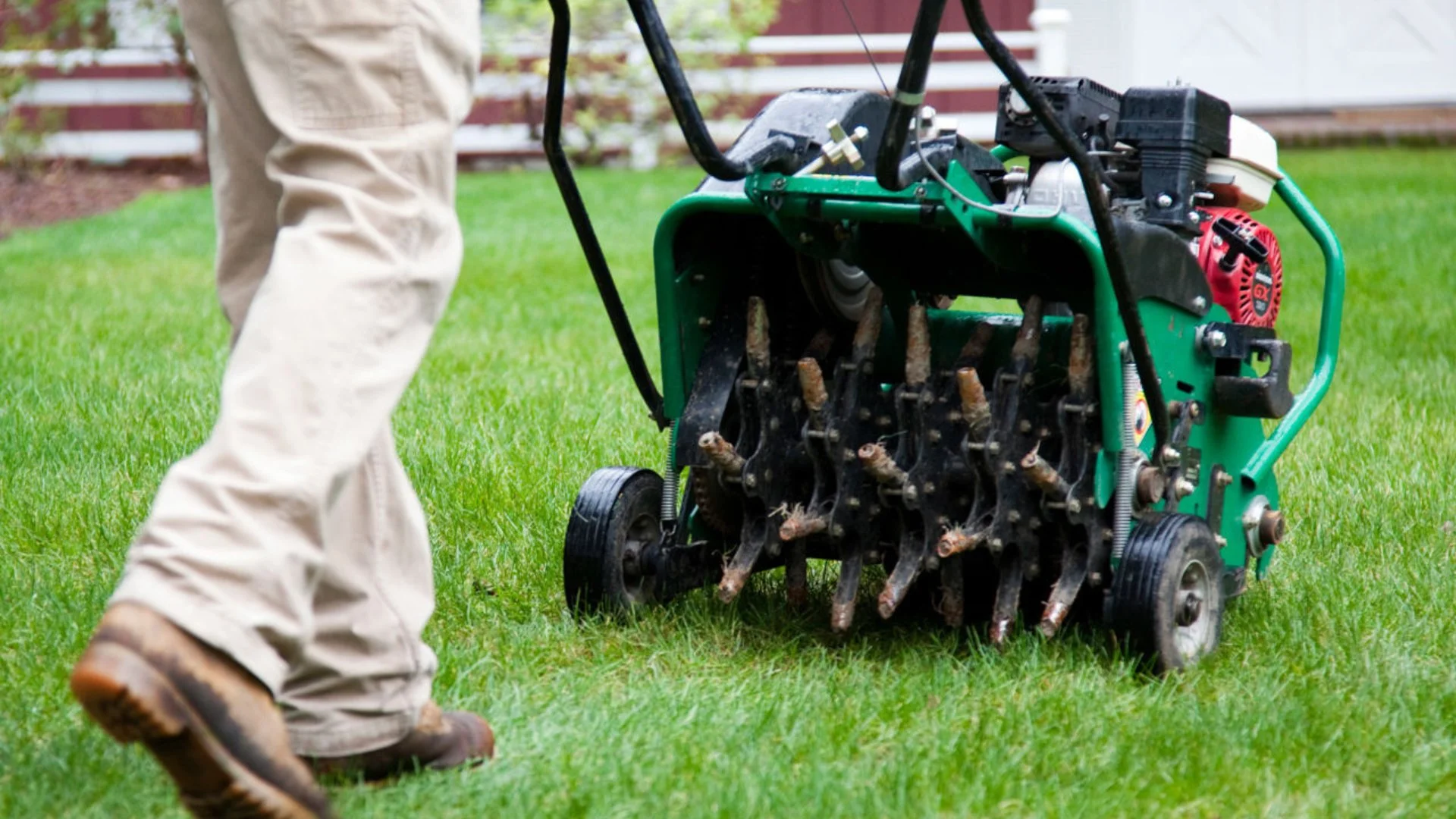
Core aeration is a beneficial service that is designed to help keep your lawn in Michigan healthy and beautiful, but before the process starts, you'll want to ensure your lawn is prepared! To do this, you should mow your grass shorter than usual, water it 1-2 days before, mark anything that could be damaged, and remove debris and obstructions. This way, it's ready for core aeration, and you can get the most out of this service!
Mow Your Lawn Shorter Than Usual Before Core...
Why Is Your Lawn Still Struggling After Fertilizing?
Published on Wednesday, May 06, 2026
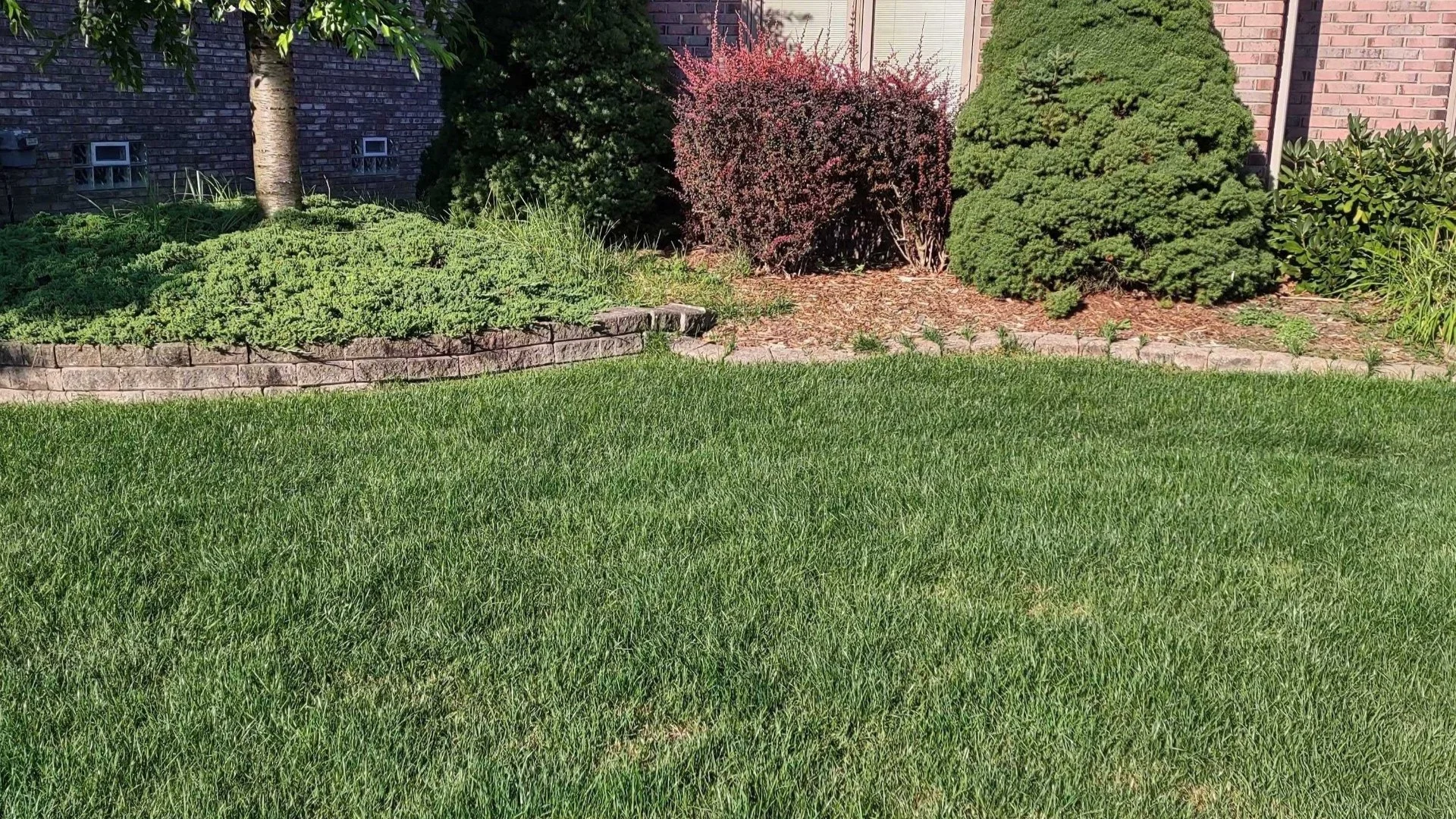
If your lawn is struggling despite fertilization, underlying issues may be to blame. Compacted soil and thick thatch can block nutrient flow, while unbalanced pH levels lock nutrients away from the roots. Proper watering is crucial for nutrient absorption, and fertilizing during active growth seasons ensures effectiveness. Enlisting professional help can address these issues through tailored solutions like aeration and soil amendments, ensuring your lawn thrives. Lawn care experts will also...
Why Isn't Your Weed Control Treatment Working?
Published on Sunday, May 03, 2026

If your weed control treatment isn't working, consider whether you've given it enough time, as results can take weeks and may require multiple applications. Other common issues include using the wrong herbicide, incorrect timing, or improper application, all of which can reduce effectiveness. Hiring professionals can be beneficial, as they have access to more effective products and can apply treatments accurately. Regular professional maintenance ensures consistent weed control, keeping ...
Why Does Your Lawn Have So Many Weeds?
Published on Wednesday, April 29, 2026
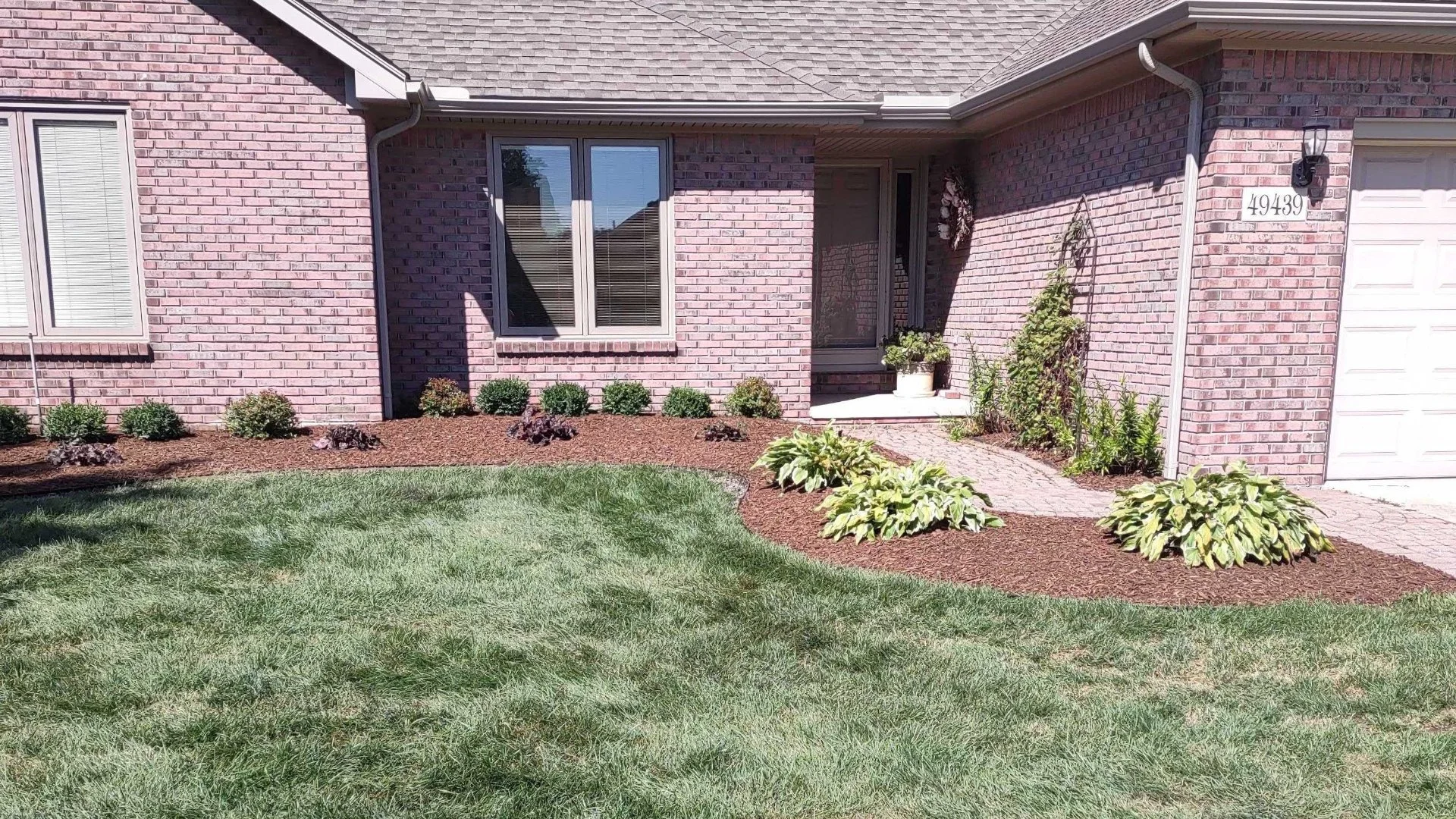
If your lawn in Michigan has so many weeds, then it probably provides these invasive species with conditions that are favorable for their growth. These conditions include compacted soil, improper watering, thin growth, poor soil conditions, and more. This is why it's important to observe proper lawn care practices to cultivate a strong, resilient lawn that can fight off these unwanted plants. For even better results, invest in a professional weed control service to target weeds with...
When to Avoid Fertilizing Your Lawn
Published on Sunday, April 26, 2026

Fertilizing your lawn is a great way to encourage healthy, robust growth, but there are certain times when you should avoid doing so. It's important to never fertilize when your grass is dormant, before or during heavy rainfall, or during extremely dry conditions. These conditions are unsuitable for nutrient uptake, and fertilizing during them can cause more harm than good, so it's better to fertilize when your grass in Michigan is growing actively and during suitable weather...
What to Know About Mosquito Harborage Areas
Published on Wednesday, April 22, 2026

Mosquitoes are a common nuisance, especially during the warmer months. Mosquito harborage areas are cool, shady areas where these pests tend to hide and rest during the day, such as dense vegetation, tall grass, landscape beds, clogged gutters, and underneath decks. Additionally, standing water serves as another harborage area where they breed, with examples including dog bowls, kiddie pools, and bird baths. To effectively combat mosquitoes, it's essential to invest in professional mosquito ...
What to Do When Fertilizer Burns Your Lawn
Published on Friday, April 17, 2026
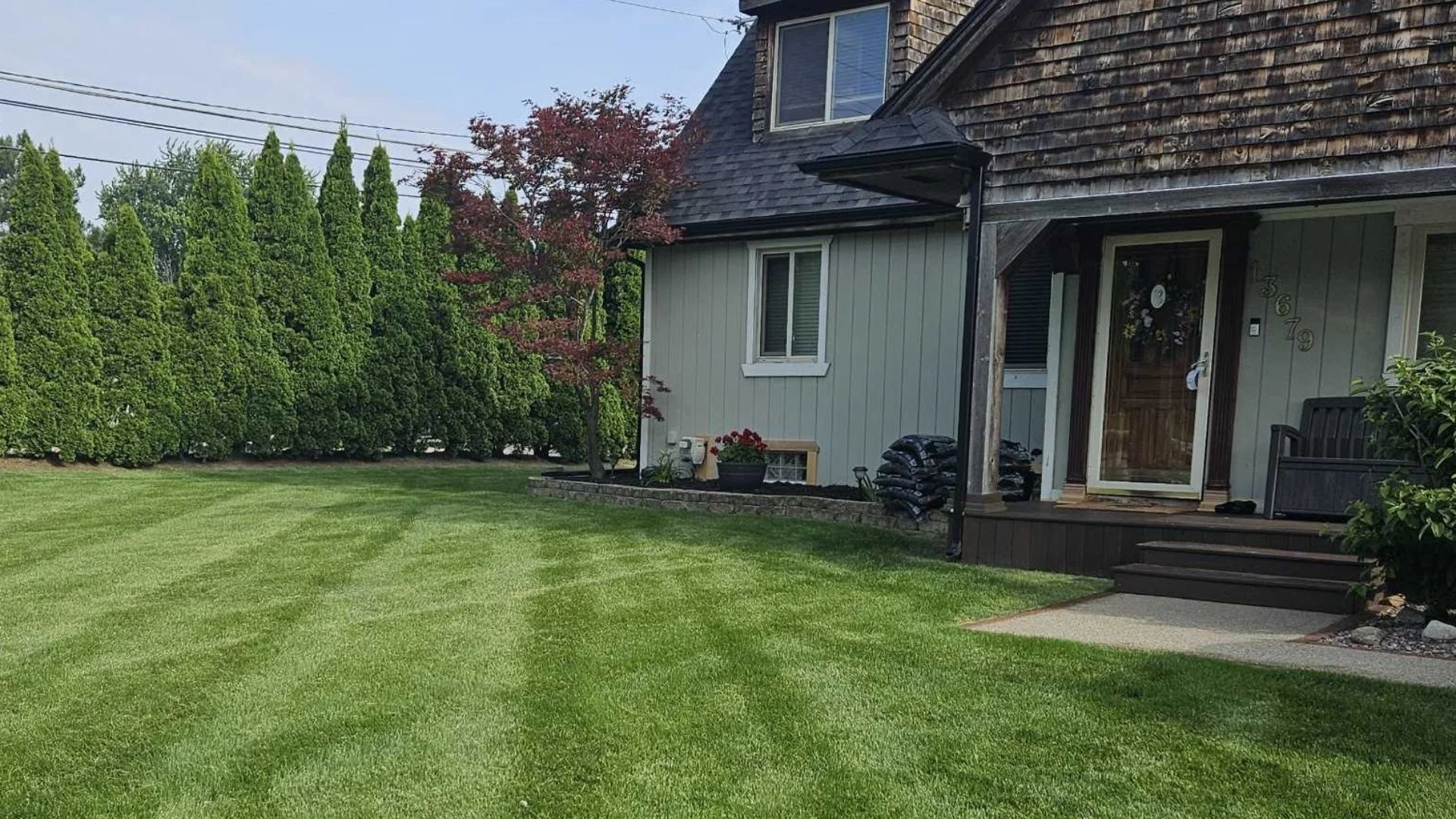
If your lawn has been overfertilized and is suffering from fertilizer burn, you can help it recover with proper care and some patience. You'll want to start by watering the affected areas immediately and raking away any dead grass or granules to kickstart your lawn's recovery and prevent further damage. It's also important not to apply any additional fertilizer treatment for at least a month or until your lawn shows signs of recovery. To avoid issues with overfertilization in the...
What to Consider When Planning the Layout of Your Outdoor Kitchen
Published on Wednesday, April 15, 2026

Transforming your outdoor space into a culinary haven is a major venture, but planning the layout of your outdoor kitchen requires careful consideration. Make sure to choose the ideal layout shape for your outdoor kitchen and carefully plan out the zones for a seamless workflow. It's also important to ensure your outdoor kitchen has access to gas, water, and electrical lines to ensure maximum functionality. You can also consider adding a pergola, pavilion, or any other form of cover to...
What Should You Do After Core Aeration to Help Your Lawn Recover?
Published on Saturday, April 11, 2026
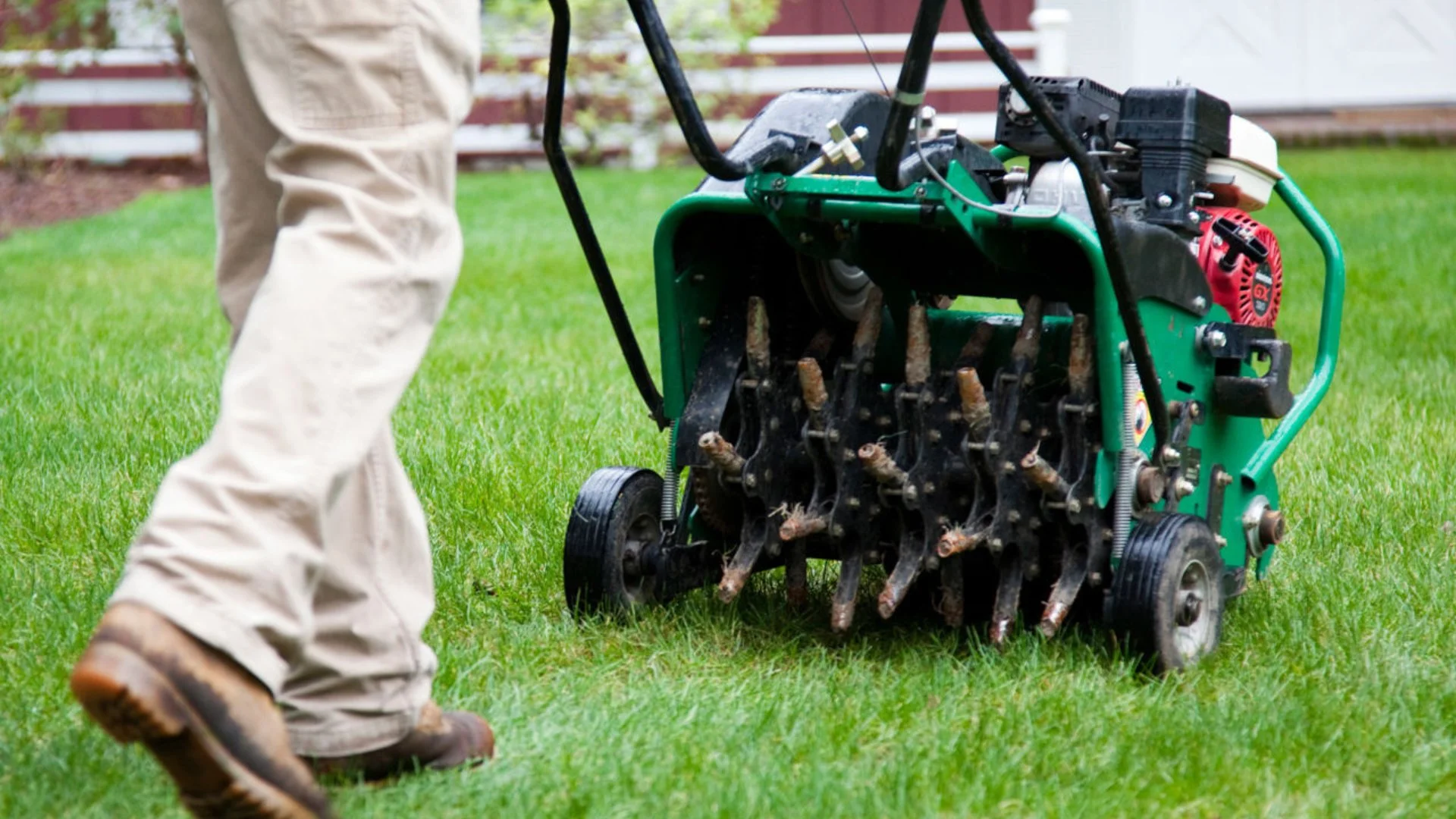
Core aeration is a beneficial lawn care service that involves pulling up plugs of soil to loosen compaction, but it can be stressful on your lawn in Michigan, so you'll want to do everything you can to help it recover afterward. Immediately after this service, you'll want to water your lawn thoroughly and deeply to prevent the soil from drying out. You'll also want to avoid heavy foot and machinery traffic for some time afterward to allow your lawn to recover without any...
What Leads to Soil Compaction on Lawns?
Published on Wednesday, April 08, 2026
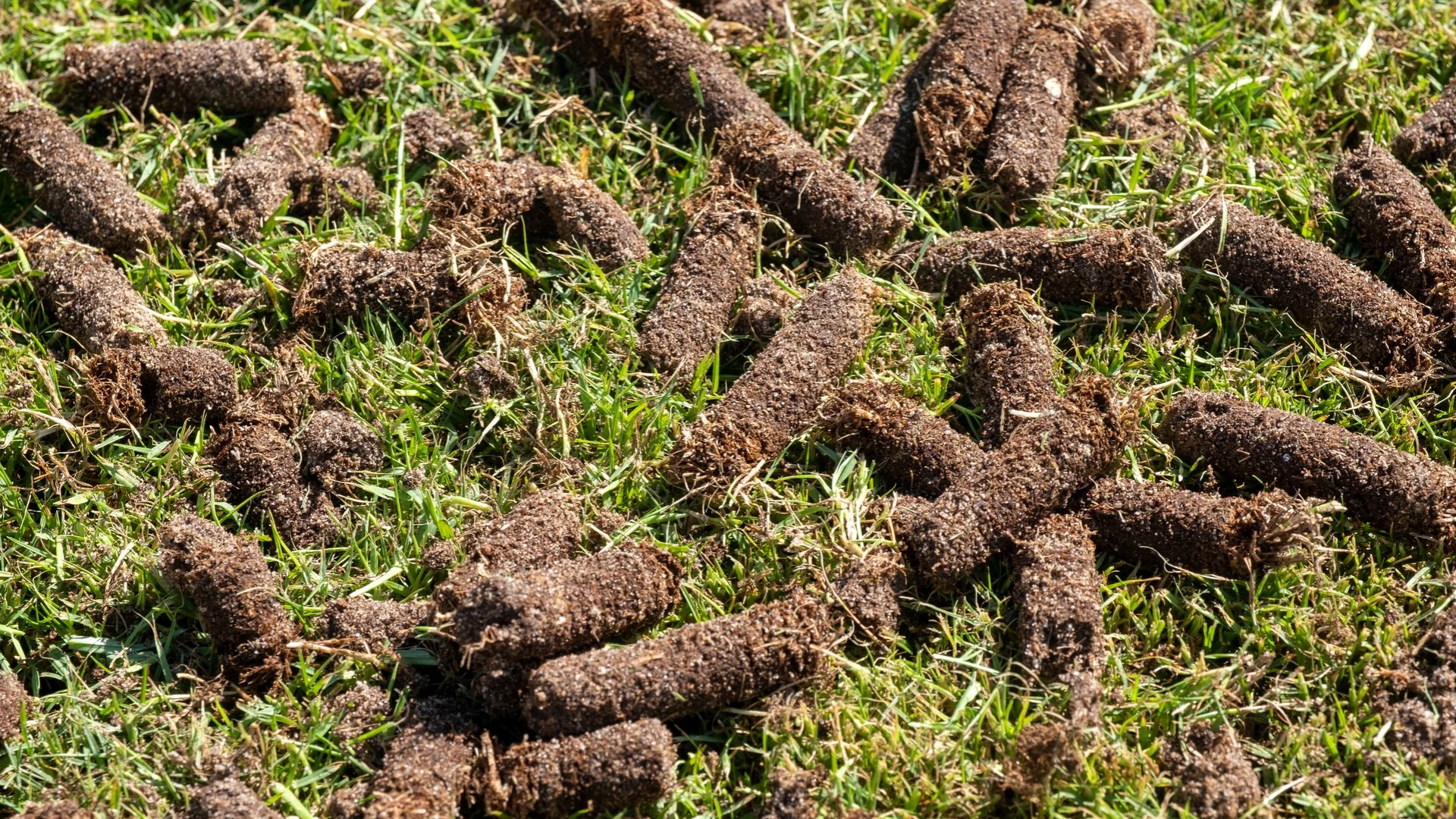
Soil compaction occurs when particles are tightly packed, reducing space for air, water, and nutrients, often caused by heavy machinery, foot traffic, and wet soil conditions. This compaction hinders root growth, limits nutrient access, and impedes drainage, leading to poor lawn health and increased susceptibility to diseases. Aeration, which involves perforating the soil with small holes, is an effective solution to alleviate compaction, enhance root growth, and improve soil structure. Regular ...