
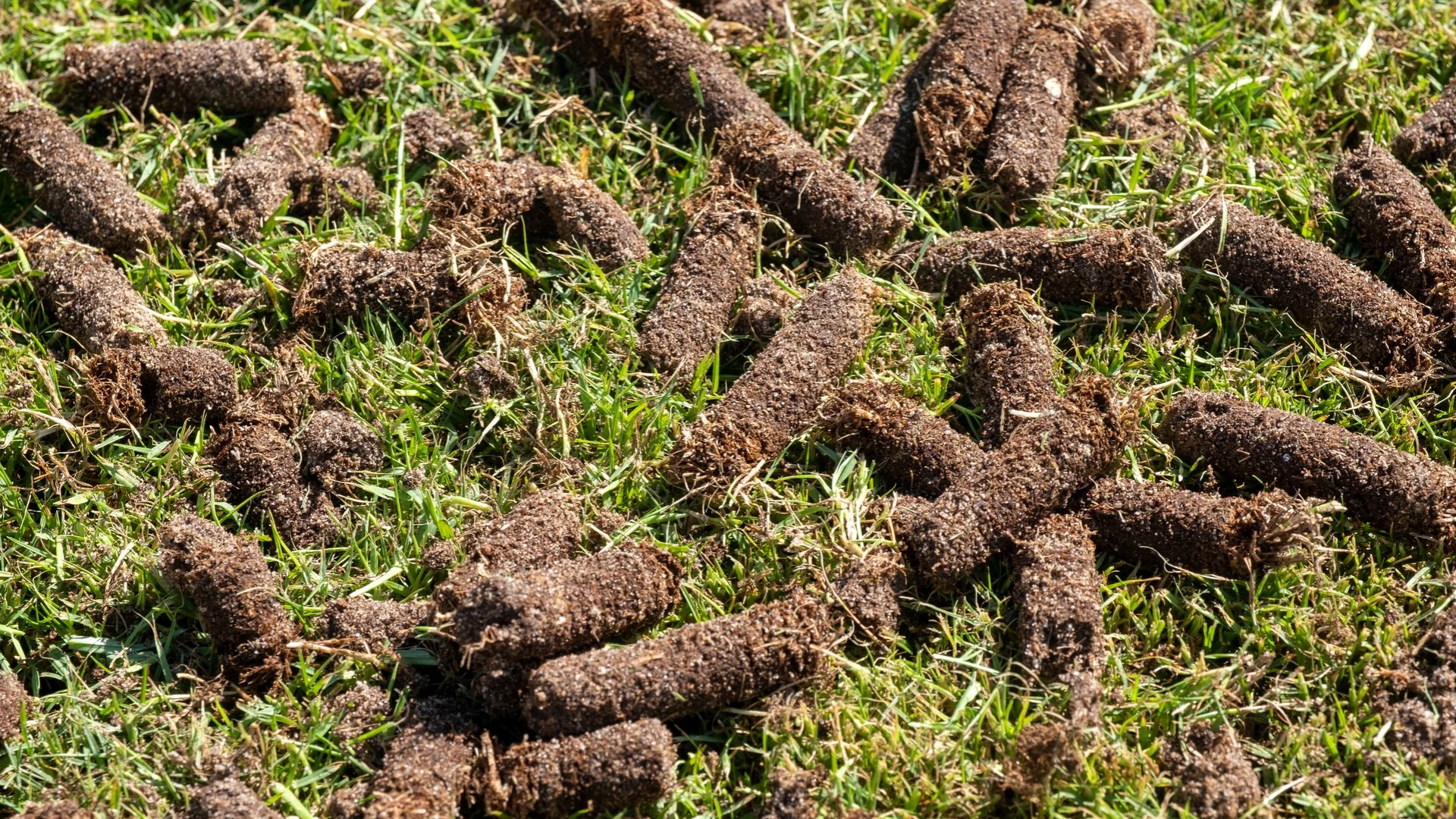
Soil compaction occurs when particles are tightly packed, reducing space for air, water, and nutrients, often caused by heavy machinery, foot traffic, and wet soil conditions. This compaction hinders root growth, limits nutrient access, and impedes drainage, leading to poor lawn health and increased susceptibility to diseases. Aeration, which involves perforating the soil with small holes, is an effective solution to alleviate compaction, enhance root growth, and improve soil structure. Regular aeration, especially during the growing season in Michigan, can significantly enhance lawn health and resilience.
What does soil compaction mean, and what causes it?
Soil compaction occurs when soil particles are tightly packed together, reducing the space available for air, water, and nutrients to move freely. This condition affects the soil's ability to support healthy plant growth. Several factors contribute to soil compaction. Heavy machinery and frequent foot traffic are common culprits, as they compress the soil, making it denser and less porous. This is often seen in areas that experience regular use or where vehicles are parked on the grass.
Additionally, working with wet soil can exacerbate compaction. Activities such as digging, walking, or tilling when the ground is moist can cause soil particles to stick together more easily, further reducing porosity. The composition of the soil itself also plays a significant role. Clay soils, with their fine particles, are more prone to compaction compared to sandy soils. Furthermore, a lack of organic matter can contribute to the issue, as organic materials help create spaces within the soil, improving its structure and promoting better aeration.
Why is soil compaction bad for your lawn?
Compacted soil poses several problems for lawns. The dense soil structure makes it difficult for the roots to penetrate and grow, limiting their access to essential nutrients and water. This can result in poor plant health and a lawn that appears thin and patchy. Additionally, compacted soil impedes proper drainage, causing water to pool on the surface. This stagnant water can create an environment conducive to diseases and pests. Moreover, the lack of air in compacted soil prevents beneficial microorganisms from thriving. These microorganisms are crucial for breaking down organic matter and enriching the soil, so their absence can lead to further deterioration of lawn health.
Aeration is Key to Addressing Soil Compaction
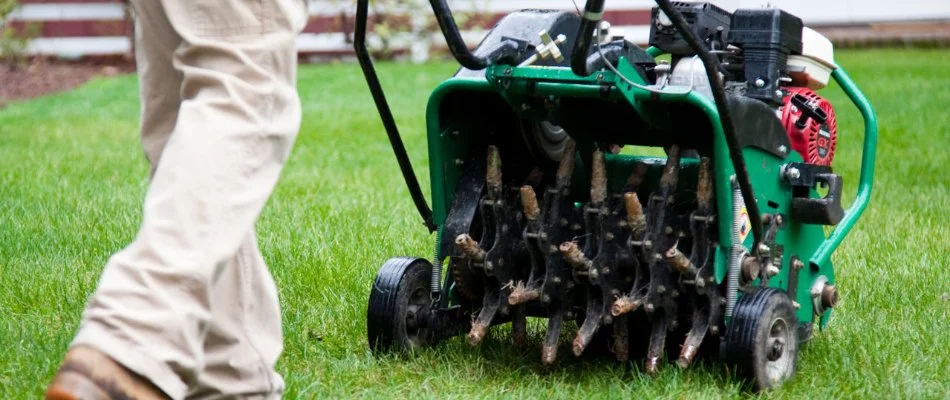
Addressing soil compaction requires a proactive approach, and scheduling an aeration service is one of the most effective solutions. Aeration involves perforating the soil with small holes to allow air, water, and nutrients to reach the roots. This process alleviates compaction and promotes a healthier lawn by enhancing root growth and improving overall soil structure. Aeration is best performed during the growing season, typically in the spring or fall, when the grass can recover and take full advantage of the improved conditions.
During aeration, machines called aerators are used to remove small plugs of soil from the lawn. This not only relieves compaction but also encourages the breakdown of thatch, an accumulation of organic matter on the soil surface. By opening up the soil, aeration facilitates better water infiltration and nutrient absorption, leading to a more robust and resilient lawn. Regular aeration, performed annually or as needed, can significantly improve lawn health and appearance over time.
Give us a call today to schedule our core aeration service!
Soil compaction is a common issue that can hinder the growth and health of your lawn. Here at Big Lakes Lawncare, we offer a core aeration service to alleviate soil compaction! This service is offered year-round, but spring and fall are the best times to have it done on your lawn to avoid causing it any stress. Our team recommends having it done once or twice a year to keep your lawn healthy and thriving. This service is available to homes and businesses, as well as HOAs, in Macomb, Shelby, Chesterfield, MI, and surrounding areas. Call us today at (586) 200-0855 to schedule this service!

Comments (0)
Thanks for your comment!
Thanks for your feedback! Your comments have been successfully submitted! Please note, all comments require admin approval prior to display.
Error submitting comment!
There is a problem with your comment, please see below and try again.