
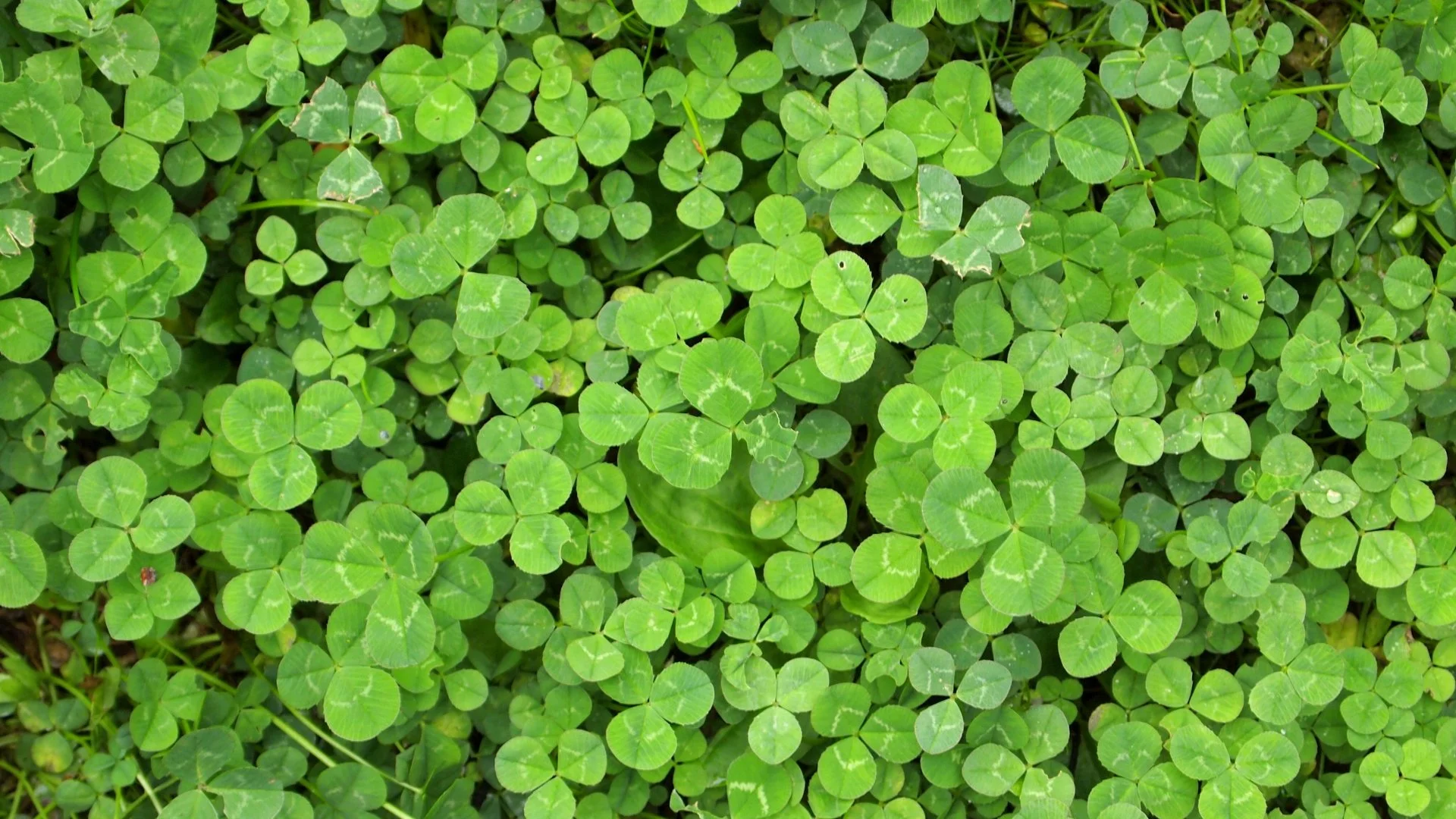
Weeds are a common nuisance for lawns Michigan, which are categorized into two main types: grassy and broadleaf. Grassy weeds closely resemble desirable grass, with narrow leaves and rounded or flattened stems. Because of this, it can be difficult to distinguish them. On the other hand, broadleaf weeds are more noticeable on lawns, boasting wider leaves that grow in different directions and veins branching out across them. Both types are equally troublesome, so the best way to control them is by signing up for a professional weed control program. With this program, pros will utilize pre- and post-emergent treatments to prevent new weeds from sprouting and eliminate any existing growth on your lawn.
What are grassy weeds?
Grassy weeds are a common type of weed that can invade your lawn. As their name implies, they closely resemble your desirable turfgrass, with narrow leaves and rounded or flattened stems. These weeds can be difficult to distinguish from regular grass, but they can quickly spread if left unchecked.
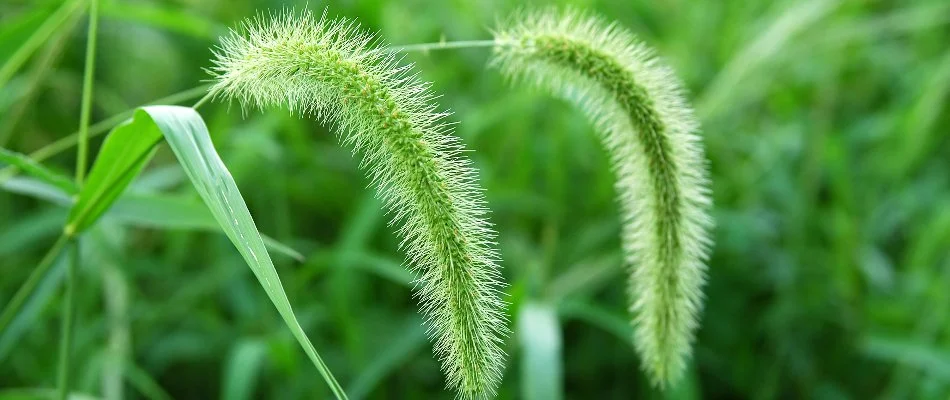
Additionally, grassy weeds are monocots, which means their seeds grow a single leaf. Some common grassy weeds include crabgrass and foxtail. Crabgrass is a summer annual identified by its coarse, light green leaves that branch out from the center, resembling the legs of a crab. On the other hand, foxtail is another summer annual weed that grows in clumps and can be characterized by its seed head, which looks like a fox's tail.
What are broadleaf weeds?
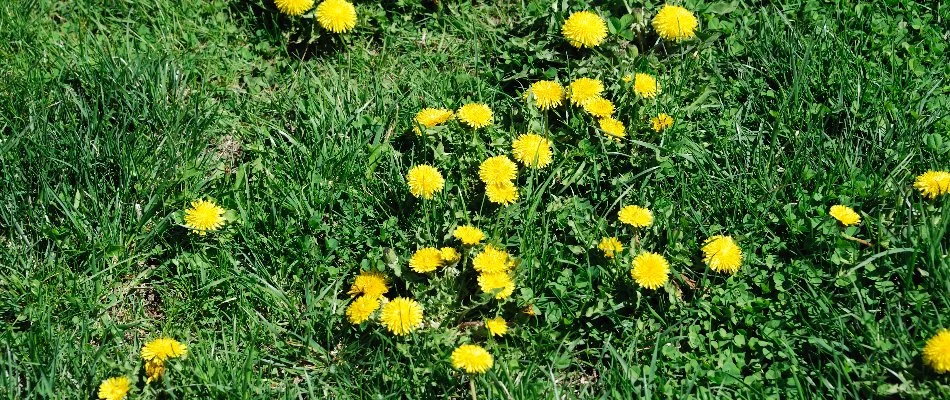
Unlike grassy weeds that look similar to your grass, broadleaf weeds are more noticeable. These weeds have wider leaves that grow in different directions and veins branching out across them. They are also dicots, meaning they grow with two leaves. While you can easily distinguish broadleaf weeds from your regular grass, they can be especially persistent and overtake your lawn if left to their own devices.
Some common broadleaf weeds include dandelions and clover. Dandelions showcase bright, yellow flowers when in bloom and the infamous, fluffy, white seed heads. Meanwhile, clover is a perennial weed that forms dense mats along the ground and boasts three leaflets.
What's the best way to control grassy and broadleaf weeds on your lawn?
Grassy and broadleaf weeds are equally troublesome, so you'll want to keep them off your lawn. The best way to do this is by signing up for a professional weed control program. When you do, pros will visit your property multiple times throughout the growing season to apply pre- and post-emergent weed control treatments. Pre-emergents create a barrier in the soil that prevents newly germinated weeds from sprouting above the surface, while post-emergents target any existing growth on your lawn. That way, you can stay ahead of grassy and broadleaf weeds and ensure they don't cause problems in the first place.
Call us today to sign up for our weed control service!
If you want to keep your lawn weed-free, you've come to the right place! At Big Lakes Lawncare, we offer a weed control service that includes multiple visits throughout the growing season to apply pre- and post-emergent treatments. These treatments are effective against both grassy and broadleaf weeds common in the area, like foxtail, crabgrass, dandelions, and clover, among others. Not only that, but our team will also fertilize your turf to ensure it has the nutrients it needs to thrive. We've been keeping weeds off lawns since 2014, so you can trust that we'll do the same for yours next!
We offer our weed control service to residential and commercial properties, as well as HOAs, in Macomb, Shelby, Chesterfield, and other nearby areas in Michigan. Call us today at (586) 200-0855 to sign up!

Comments (0)
Thanks for your comment!
Thanks for your feedback! Your comments have been successfully submitted! Please note, all comments require admin approval prior to display.
Error submitting comment!
There is a problem with your comment, please see below and try again.