

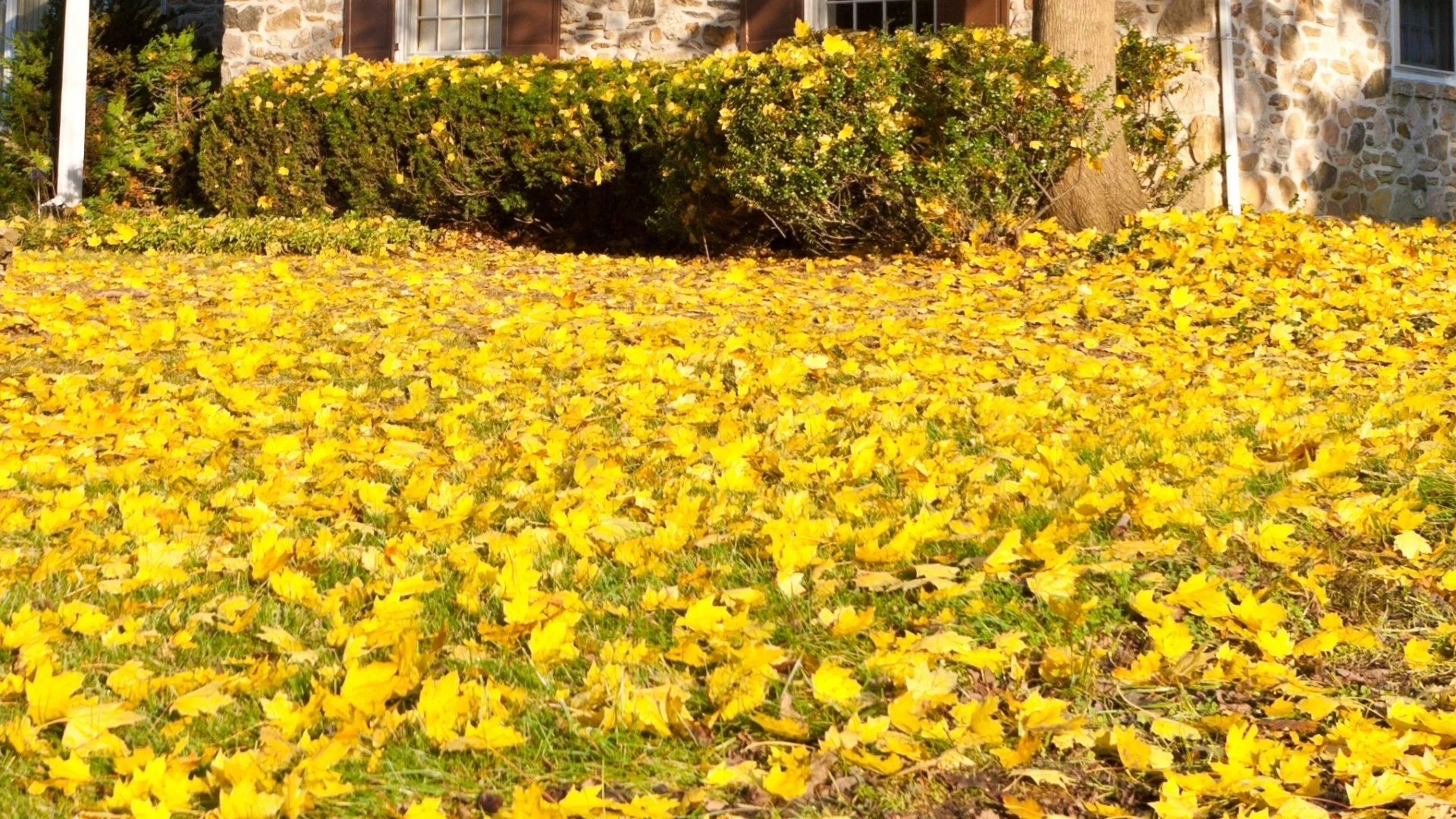
Leaves offer significant benefits to your lawn in Michigan by decomposing into a natural fertilizer, releasing essential nutrients like nitrogen, phosphorus, and potassium. This enhances soil health, strengthens root systems, and supports beneficial microorganisms. However, excessive leaf accumulation can block sunlight and water, weakening the grass and promoting disease and pest infestations. Large leaf piles create a moist, shaded environment ideal for fungi and insects, threatening lawn health. To balance benefits, light leaf coverage can naturally decompose, but it's crucial to remove large piles before winter. This proactive management preserves lawn vitality and prevents complications from arising in colder months.
How do leaves benefit your lawn?
The vibrant colors of autumn don't just offer beauty; they bring tangible benefits to your lawn as well. When leaves fall and begin to decompose naturally, they transform into a rich, organic layer of nutrients that significantly enhance soil health. As leaves break down, they release vital nutrients such as nitrogen, phosphorus, and potassium into the soil. These nutrients mimic the effects of natural fertilizers, feeding your lawn in a sustainable way.
This decomposition process strengthens the plant root systems, improves soil structure, and promotes a more resilient lawn. Organic matter increases soil porosity, allowing better water infiltration and root penetration. As a result, your lawn becomes more robust and better equipped to withstand environmental stressors. Moreover, this natural process supports a thriving ecosystem by fostering beneficial microorganisms that contribute to soil fertility and health.
Too many leaves on your lawn can be harmful.
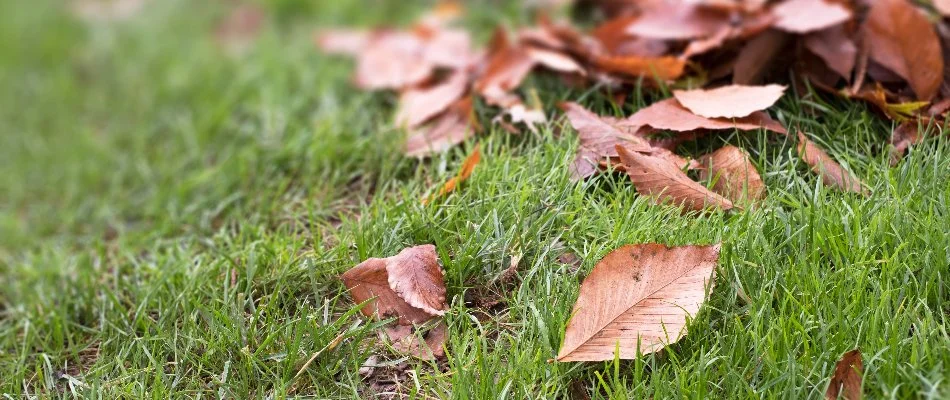
While embracing the natural nutrient cycle is rewarding, it's crucial to recognize the potential downsides of letting too many leaves accumulate. When leaves pile up, forming thick blankets, they prevent sunlight and water from reaching the grass below. This deprivation can lead to a range of problems, starting with the suffocation of your lawn. Grass, deprived of essential sunlight, becomes weakened and may even develop bare patches.
Moreover, heavy leaf cover creates a moist environment, prime for various turf diseases and pests. Fungi, mold, and other pathogens thrive in these conditions, heightening the risk of lawn diseases that can spread and cause significant damage. Additionally, the moisture and shelter provided by the leaf piles attract insects and rodents that can harm your lawn and even encroach upon your home. Recognizing these threats underscores the importance of balancing leaf management.
A few leaves on your lawn are okay, but large piles should be removed before winter.
The key to successfully utilizing leaves as a natural resource is effective management. If your yard is only partially covered with leaves, you can allow them to decompose freely, integrating valuable organic matter into the soil. However, if your lawn finds itself buried under dense leaf cover, you must get rid of the leaves before winter. As temperatures drop in the winter, the decomposition process slows, and frozen leaves become tougher to manage. They will also continue to trap moisture and create an environment that fosters disease development. By dealing with leaf piles in the fall, you prevent these issues, ensuring your lawn remains healthy and resilient into spring.
Call us to schedule our leaf removal service!
If your lawn is covered in a thick pile of leaves, let our team handle them! Here at Big Lakes Lawncare, we offer a leaf removal service that caters to small and large properties. We offer this service to homes and businesses, as well as HOAs, in Macomb, Shelby, Chesterfield, MI, and other surrounding areas. With our comprehensive range of services and commitment to customer satisfaction, we're the go-to choice for all your lawn care and maintenance needs. Call us today at (586) 200-0855 to schedule.

Comments (0)
Thanks for your comment!
Thanks for your feedback! Your comments have been successfully submitted! Please note, all comments require admin approval prior to display.
Error submitting comment!
There is a problem with your comment, please see below and try again.